On 3 September 2025, the GST Council approved the biggest overhaul of India’s Goods and Services Tax since its 2017 rollout — a set of changes now widely called GST 2.0. The reform took effect on 22 September 2025 and rationalised most goods into two main slabs (5% and 18%) with a special 40% rate for select luxury and sin items. For anyone buying a car, bike, SUV or electric vehicle in India, this is not an abstract tax change — it directly moves the ex-showroom price on the invoice. This guide explains the GST 2.0 impact on India’s auto industry category by category, shows the expected price effect on each type of vehicle, and helps you decide whether to buy now or wait.
What Is GST 2.0? A Quick Recap
Pre-reform, most auto vehicles attracted 28% GST plus a compensation cess ranging from 1% to 22% depending on engine size and vehicle length. The effective tax burden on a mid-size SUV, for example, could easily reach 45–50% before dealer margin. GST 2.0 simplifies this: the compensation cess on cars and two-wheelers has been withdrawn, and vehicles are now placed on either the 18% or 40% GST slab based on category. Electric vehicles remain at 5% GST, a rate the Council explicitly retained to support the FAME-II ecosystem.
Official notifications and the accompanying press release were issued by the Central Board of Indirect Taxes and Customs (CBIC) and the Press Information Bureau (PIB India). Manufacturers had roughly three weeks to reprice inventory before the change took effect — most passed the net benefit or cost through to consumers on 22 September 2025, with some launching festive-season offers on top.
Old GST Rates vs New GST Rates: The Auto Categories
Here is the side-by-side view for the categories most Indian buyers actually shop in. Effective rates below are combined GST + prior cess where cess applied.
| Vehicle category | Pre-GST 2.0 effective rate | Post-GST 2.0 rate | Net direction |
|---|---|---|---|
| Small petrol car (≤1200cc, ≤4m length) | 28% + 1% cess = 29% | 18% | Down ~11 percentage points |
| Small diesel car (≤1500cc, ≤4m length) | 28% + 3% cess = 31% | 18% | Down ~13 percentage points |
| Mid-size car (>1200cc petrol / >1500cc diesel, ≤4m) | 28% + 15% cess = 43% | 40% | Down ~3 percentage points |
| SUV (>4m length, >1500cc engine, >170mm ground clearance) | 28% + 22% cess = 50% | 40% | Down ~10 percentage points |
| Motorcycle / scooter up to 350cc | 28% | 18% | Down ~10 percentage points |
| Motorcycle above 350cc | 28% + 3% cess = 31% | 40% | Up ~9 percentage points |
| Electric vehicle (car or two-wheeler) | 5% | 5% | Unchanged |
| Auto components / spare parts (most) | 28% or 18% | 18% | Down or flat |
The clearest winners: small cars, sub-350cc bikes, most SUVs, and the parts/service ecosystem. The clearest losers: premium bikes above 350cc, where the previously modest 3% cess was replaced with the 40% “sin/luxury” slab.
Small Moters: The Biggest Single Beneficiary
The small-car segment — Maruti Alto, Wagon R, Swift, Baleno, Hyundai Grand i10, Exter, Tata Tiago, Punch — sees the sharpest tax cut in absolute terms. The drop from 29–31% to 18% on a car with an ex-showroom of ₹5–8 lakh translates to roughly ₹40,000–₹70,000 in on-road price reduction, assuming manufacturers pass on the full benefit (most did).
The Society of Indian Automobile Manufacturers (SIAM) has publicly welcomed the change as a demand catalyst for the entry-level segment, which had seen negative year-on-year growth for three consecutive years leading up to 2025. Early retail data from FADA in the weeks after 22 September 2025 showed a clear festive-quarter bump in small-car bookings, though how much of that is durable versus a one-time pull-forward will take another two quarters to confirm.
Mid-Size Moters
For mid-size cars and SUVs, the effect is more mixed. The headline 40% GST rate looks higher than the old 28% base, but the withdrawn cess (which was 15–22% on this segment) means the effective tax burden is actually 3–10 percentage points lower for most SUVs, translating to a ₹40,000–₹1,20,000 price reduction on a ₹15–25 lakh SUV.
Big-ticket luxury SUVs above ₹40 lakh see the smallest relative benefit and, in some sub-segments (very large engines with previously moderate cess), a marginal price rise. Manufacturers like Mercedes-Benz India, BMW India and Audi India have been transparent about model-by-model reprice; check the OEM’s official India website for the specific pricing on your shortlist.
Sub-350cc Bikes: Big Tax Cut
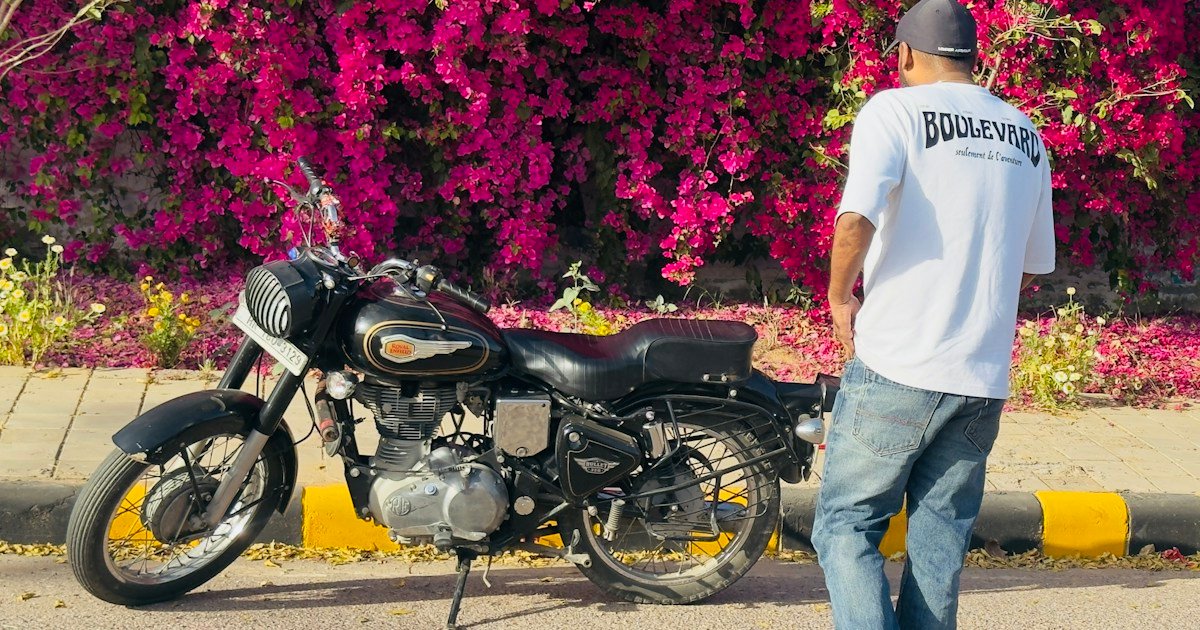
The 28% → 18% drop on all two-wheelers up to 350cc covers roughly 95% of India’s motorcycle and scooter market by volume — from the Hero Splendor and Honda Activa at the entry end to the Bajaj Pulsar NS200, Royal Enfield Hunter 350 and Classic 350 at the premium-commuter end.
On a bike with ex-showroom ₹1,10,000, the 10-percentage-point rate cut is a saving of roughly ₹8,500 before dealer margin. Most brands passed the benefit through by 25 September 2025. Combined with festive offers, on-road prices in the sub-350cc segment fell 6–9% in the immediate aftermath. See our companion article on bike on-road price in India for how these savings interact with road tax, insurance and dealer charges.
Premium Bikes Above 350cc: The Segment That Got Costlier
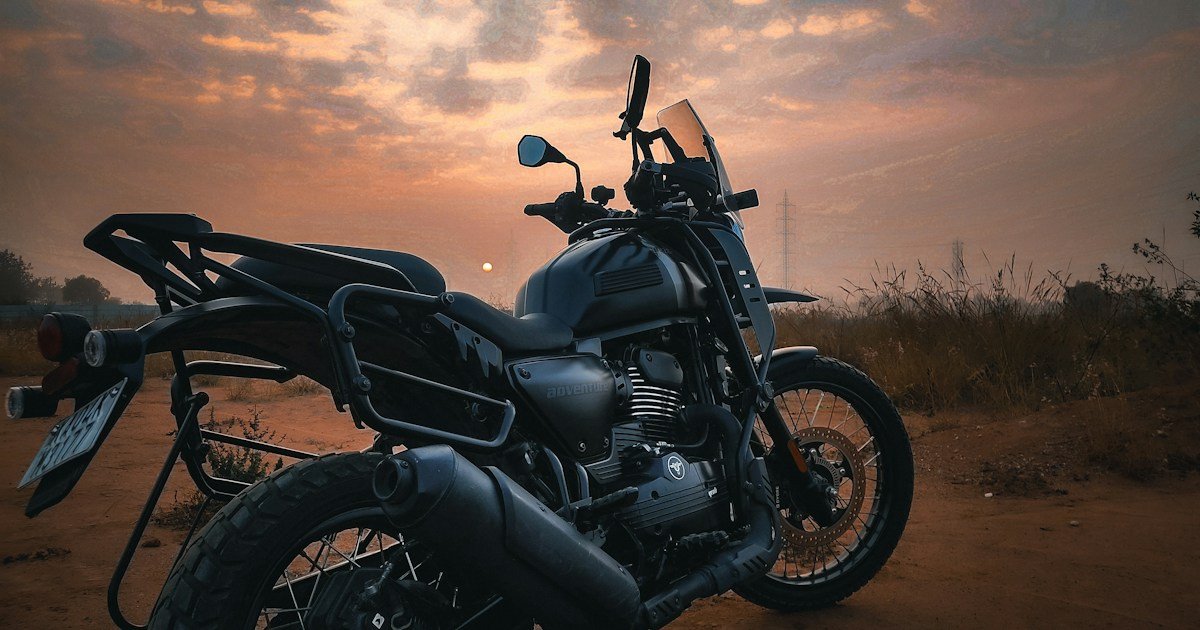
This is the one segment where GST 2.0 raised the tax burden. Bikes above 350cc — Royal Enfield 650 twins, KTM Duke 390, Triumph Speed 400, Bajaj Pulsar NS400Z, Honda CB500 series, Kawasaki Ninja 300/500 — moved from an effective 31% to 40%.
On a ₹3 lakh ex-showroom bike, the 9-percentage-point rise is roughly ₹27,000 in additional tax. Manufacturers absorbed part of the increase to protect volumes, but most models in this segment saw ex-showroom prices rise ₹15,000–₹30,000 between 22 September and 30 October 2025. If you were shopping in this segment, buying before the rate change would have been the cheaper move; buying now means paying the new normal until the next rate revision.
Electric Vehicles: What Changed for EVs
Nothing changed on GST for EVs — the 5% rate that has applied since 2019 continues. What changed is the relative attractiveness. When petrol-car and petrol-bike GST also drops, the EV price advantage narrows in headline percentage terms, but EVs still enjoy the 13-percentage-point tax gap versus small cars and the entire fuel-cost differential.
The FAME-II subsidy programme, administered by the Ministry of Heavy Industries, has been running down through 2025–2026; the GST Council’s decision to hold EV rates at 5% is a signal that the government wants EV price parity to continue even as the direct-cash-subsidy taper progresses. Practical takeaway: EVs are still the tax-favoured category, but the price gap versus a comparable petrol two-wheeler has narrowed by roughly 3–5%.
Expected Ex-Showroom Price Impact by Category
Approximate change in ex-showroom price after GST 2.0, assuming manufacturers pass through the full net tax change. Actual on-road prices also depend on state road tax and dealer margins.
| Segment | Representative model | Approx. price change |
|---|---|---|
| Small car (Maruti Swift-class) | Maruti Swift VXi | −₹40,000 to −₹55,000 |
| Compact SUV (Nexon-class) | Tata Nexon petrol | −₹35,000 to −₹60,000 |
| Mid-size SUV (Creta / Seltos-class) | Hyundai Creta 1.5 MPi | −₹45,000 to −₹80,000 |
| Large SUV (Fortuner / MG Gloster-class) | Toyota Fortuner | −₹60,000 to −₹1,20,000 |
| Commuter bike (100cc) | Hero Splendor Plus | −₹6,000 to −₹8,500 |
| 125cc scooter | Honda Activa 125 | −₹7,000 to −₹9,500 |
| 300–350cc bike | Royal Enfield Classic 350 | −₹18,000 to −₹22,000 |
| 400cc+ bike | KTM Duke 390 | +₹15,000 to +₹28,000 |
| Electric two-wheeler | TVS iQube | No change (5% GST retained) |
| Electric car | Tata Nexon EV | No change (5% GST retained) |
Impact on Dealers, Suppliers and Buyers
Dealers
Dealer inventory carrying old-rate GST paid tax at the old higher rate. Transitional provisions from CBIC allowed input-tax-credit adjustment, but for a short window in late September 2025 dealers had to manage price-changed stock while customers waited for the new sticker. Most large dealer chains cleared old inventory with cash-back schemes.
Suppliers and component manufacturers
The Auto Component Manufacturers Association (ACMA) is broadly positive on GST 2.0. Most auto components are now uniformly 18%, reducing classification disputes and easing input credit flow. Small suppliers, particularly Tier-2 and Tier-3 units, benefit from the reduced compliance burden.
Buyers
Net-net, GST 2.0 is buyer-positive across roughly 95% of the two-wheeler market by volume and 85% of the passenger-vehicle market by volume. The narrow band of “losers” is the premium two-wheeler segment above 350cc and the top end of the luxury-car market.
Should You Buy Now, or Wait?
Three practical takeaways:
- If you are buying a small car, compact SUV or sub-350cc bike: Buy now. The new rate is in effect and layered on top of festive-season offers. There is no logical reason to wait.
- If you are buying a bike above 350cc: The price increase is done. The market has repriced. Waiting further offers no upside unless a specific model launches with promotional pricing.
- If you are buying an EV: GST has not changed but FAME-II subsidies are winding down through 2025–2026. Effective purchase cost is likely to rise modestly over the coming quarters, so earlier is marginally better than later.
Frequently Asked Questions
What is GST 2.0 and when did it come into effect?
GST 2.0 is the September 2025 rationalisation of India’s GST rate structure into two primary slabs (5% and 18%) plus a 40% slab for select luxury and sin items. The changes were approved by the GST Council on 3 September 2025 and took effect on 22 September 2025.
How much cheaper are small cars after GST 2.0?
Small petrol and diesel cars up to 4 metres in length dropped from an effective 29–31% tax to 18%, translating to ex-showroom price reductions of roughly ₹40,000 to ₹70,000 depending on model and variant.
What is the new GST rate on motorcycles in India?
Motorcycles and scooters up to 350cc now attract 18% GST (down from 28%). Motorcycles above 350cc attract 40% GST (up from an effective 31%). Electric two-wheelers remain at 5%.
Did SUVs become cheaper after GST 2.0?
Yes, in most cases. Large SUVs previously attracted 28% GST plus 22% compensation cess (effective 50%). Under GST 2.0, they attract a flat 40% GST with cess withdrawn, cutting the effective tax burden by roughly 10 percentage points and reducing on-road prices by ₹60,000 to ₹1,20,000 for mid-to-large SUVs.
Are electric vehicle prices changing under GST 2.0?
No. The 5% GST rate on electric vehicles (cars and two-wheelers) has been retained. However, EV effective purchase cost may rise modestly over 2025–2026 as the FAME-II direct-cash-subsidy programme winds down.
Why did premium bikes above 350cc become costlier?
Bikes above 350cc were moved from an effective 31% tax burden (28% GST + 3% cess) to the new 40% GST slab, part of the Council’s alignment of premium two-wheelers with the luxury goods category. The result is a ₹15,000 to ₹30,000 ex-showroom price rise for most models in the segment.
Where can I read the official GST 2.0 notifications?
Official notifications are published by CBIC at cbic.gov.in and press releases by the PIB at pib.gov.in. The GST Council itself publishes meeting outcomes at gstcouncil.gov.in.
Will dealer margins change after GST 2.0?
Marginally. Dealer margin remains a percentage of ex-showroom, so as ex-showroom prices drop for most categories, per-unit dealer margin drops slightly in absolute rupee terms. Most dealers are absorbing this against higher expected volumes.
Should I wait for another GST rate revision before buying a car?
No structural revision is expected in the short term. The Council’s stated intent is to hold the new two-slab structure stable for at least 24 months while evaluating the impact. Waiting for another rate cut is not a rational strategy for a purchase you need to make in the next 6–12 months.
Are hybrid cars treated separately under GST 2.0?
Strong hybrid vehicles continue at the 40% slab (previously 28% + 15% cess). Mild hybrids are grouped with their base petrol or diesel variant. There is no separate GST concession for hybrids under GST 2.0; the Council opted to keep the 5% rate exclusive to fully electric vehicles.
Do used vehicles come under GST 2.0?
Used vehicle sales are not affected by GST 2.0. GST on used-vehicle margin (paid by organised sellers like Cars24, Spinny, Droom) remains at 12% or 18% depending on category. Private-to-private used sales carry no GST.
Conclusion: A Reset Buyers Should Understand Before They Shop
The GST 2.0 impact on India’s auto industry is unusually clean — most segments got cheaper, one segment (400cc+ bikes) got costlier, EVs stayed on their existing concessional rate. If you are planning a vehicle purchase in the next 12 months, the tax change is now baked into the sticker; your job as a buyer is to make sure the manufacturer passed the full benefit through and that your dealer’s quotation reflects the new ex-showroom on your specific variant.
Cross-check the OEM website, ask for a written quotation, and use our category-specific price-impact table above as a sanity check. Buyers who ask questions get the benefit; buyers who don’t often see a portion of it disappear into dealer handling or accessory bundling.